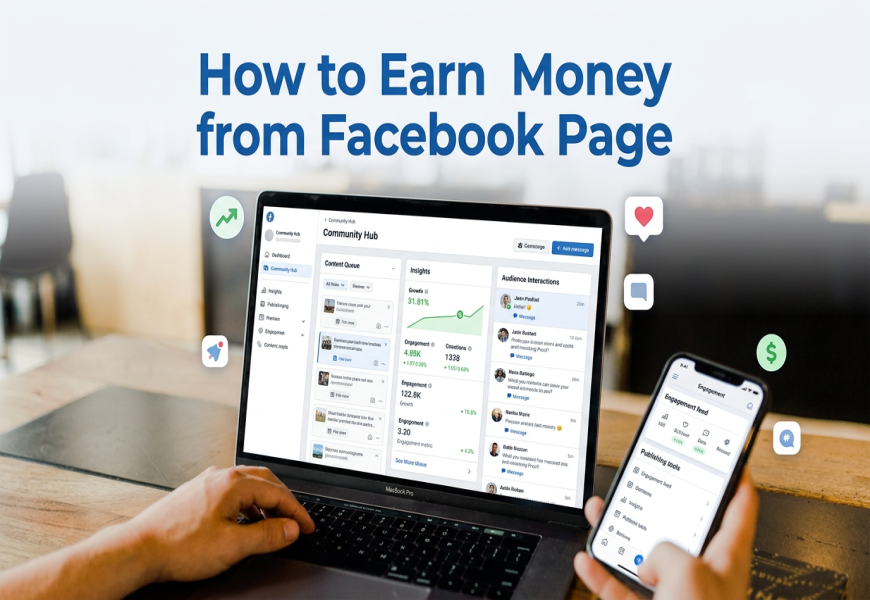
How to Earn Money from a Facebook Page in 2026
How to Earn Money from Facebook Page: A Comprehensive Guide 2026
With a global active user base stretching into the billions, Meta’s Facebook ecosystem has evolved from a basic social utility into a highly sophisticated digital media monetization network. Independent content creators, digital entrepreneurs, and traditional corporate brands leverage this immense reach to establish highly scalable online assets. Many page owners distribute digital content for years without executing an organized strategy, missing out on substantial revenue streams. Building a sustainable income from your Facebook Page requires a deep understanding of built-in monetization systems, brand safety enforcement, conversion funnels, and external traffic architecture.
Transitioning your social media asset into a predictable revenue stream demands long-term operational consistency and absolute adherence to Meta’s strict programmatic regulations. Many beginners face permanent account restrictions because they publish unverified content, violate intellectual property rights, or fail to follow page quality benchmarks. To maximize your earning capacity safely, you must take a systematic approach, using native tools while building external streams to protect your platform from unexpected algorithm shifts. This comprehensive guide provides an explicit, actionable roadmap to qualify for native monetization programs, execute brand collaborations ethically, and scale your social media traffic into real digital wealth.
💡 Industry Matrix: Meta Monetization Compliance Layout
To ensure your digital page qualifies for built-in distribution tools without administrative delays, review this structural overview of eligibility requirements and metrics:
Native Monetization Tool | Follower Threshold | Core Engagement Metrics Required | Primary Form of Payout | Primary Content Optimization Goal |
In-Stream Video Ads | 10,000 Followers | 600,000 Total View Minutes within the last 60 days. | Programmatic Ad Revenue Share (CPM/RPM). | High-retention, long-form evergreen video assets. |
Fan Subscriptions | 10,000 Followers | 250 Recurring Live Video Viewers baseline. | Monthly Recurring Subscription Fees. | Gated premium content and exclusive community perks. |
Meta Star Badges | Country Specific | Consistent compliance with Content Policies. | Virtual Micro-Tips ($0.01 per star asset). | Live streaming interactions and real-time gaming panels. |
1. Meeting Meta's Eligibility Requirements for Native Tools
Navigating the In-Stream Video Ads Framework
Before attempting to integrate programmatic advertisements into your video library, your profile must strictly cross Meta’s baseline access hurdles. Your page requires a minimum of 10,000 organic followers and must accumulate 600,000 total viewed minutes across your video publications within any 60-day window. Furthermore, each individual video clip must span a minimum duration of three minutes to qualify for standard commercial ad breaks.
To build these view metrics efficiently from scratch, focus on publishing original instructional tutorials, highly detailed narrative documentaries, or high-retention industry explanations. Avoid uploading unedited clips or recycled television footage, as Meta’s automated scanning crawlers flag unoriginal content immediately, barring your page from monetization dashboards.
Auditing Page Quality and Enforcing Brand Safety
Regular monitoring of your administrative health metrics is mandatory to prevent surprise monetization bans. Access the Meta Business Suite dashboard weekly and review the Page Quality and Policy Violations panels. This structural monitoring hub flags any minor copyright infractions, unoriginal content usage, or algorithmic distribution penalties.
Ensure you secure full legal rights or commercial licensing agreements for all background music, illustrative stock photos, and videography components utilized in your media production loops. Resolving these issues early ensures your page maintains a clean compliance history, keeping it fully attractive to high-budget advertising campaigns and premium corporate brand sponsors.
2. Deploying Direct Monetization Through Built-In Tools
Optimizing Programmatic In-Stream Advertisements
Once your page is officially approved for In-Stream Ads, your revenue scales based on two core metric equations: Cost Per Mille (CPM), which measures what advertisers pay per thousand views, and Revenue Per Mille (RPM), which tracks your actual earnings per thousand plays. Average market earnings float between $5 to $15 per 1,000 plays, highly dependent on your target niche and the geographic location of your audience.
To secure the highest ad layout metrics, aim for longer video assets spanning 5 to 15 minutes in duration. This allows the programmatic delivery tool to insert mid-roll ad scripts without interrupting the user experience. Use clean typography, high-contrast visual thumbnails, and informative video title tags to boost organic click-through rates.
Engineering Fan Subscriptions for Predictable Cash Flow
Fan Subscriptions provide creators with an exceptional tool to secure recurring monthly revenue without relying entirely on volatile advertising impression fluxes. Under this model, your most dedicated followers pay a fixed tier rate—typically ranging from $4.99 to $9.99 monthly—to unlock access to a private, gated layer of your digital community.
To convert casual page followers into paying subscribers, offer high-value exclusive perks such as real-time interactive Q&A sessions, downloadable resource guides, early access to main video releases, or dedicated profile badges. Promote snippets of these private benefits across your free public feed to systematically encourage new sign-ups, establishing a steady financial baseline for your digital business.
3. Integrating Affiliate Marketing and Strategic Brand Gigs
Executing Compliant Affiliate Product Reviews
Affiliate marketing represents a highly lucrative mechanism to generate revenue outside of Meta's native ecosystem. By partnering with large international digital consumer networks like Amazon Associates or ShareASale, you can insert customized tracking links into your written product analysis posts or informational video descriptions.
To retain long-term audience trust, prioritize authenticity by reviewing products you have personally tested, detailing operational flaws alongside standout benefits. Furthermore, maintain complete legal transparency by always including an explicit disclosure statement stating: "As an affiliate marketer, I earn a small commission from qualifying purchases made through these tracking links."
Constructing an Elite Sponsorship Media Kit
When your page achieves stable engagement and traffic volume, you can pitch corporate brands directly for paid product placements and sponsored shoutouts. To pitch professionally, compile a clean, highly visual digital Media Kit formatted as a PDF. Your media kit should concisely highlight:
· Total follower counts alongside historical growth trajectories.
· Demographics of your audience (age brackets, primary geographic placements, and gender distributions).
· Average organic interaction metrics (average likes, comments, and video retention lengths per post).
· Brief screenshot case studies showcasing past successful social media campaigns.
Always tag sponsored posts using Meta’s native Branded Content tool to insert the standard "Paid Partnership" notification, ensuring full legal safety for both your page and your corporate sponsor.
4. Driving External Traffic for Portfolio Resilience
To build a highly resilient online income portfolio, use your Facebook Page's high reach as an organic traffic engine to feed external digital assets. Publish high-value text summaries, short teaser clips, or compelling graphics on your feed that prompt users to click links leading to your self-hosted Authority Blog.
Once users land on your blog, you can monetize those page views through high-paying display ad networks (like Google AdSense or Mediavine) and contextual affiliate reviews. Additionally, use your social media traffic to capture verified customer emails and drive direct sales for your downloadable digital goods, e-books, and premium Notion templates, keeping your revenue streams entirely decoupled from sudden platform changes or social media algorithm shifts.
Frequently Asked Questions (FAQ)
1. How can a creator fix a sudden "Limited Originality of Content" flag on their page?
Resolving a content originality strike requires a systematic audit of your entire published feed. You must completely delete any videos containing unedited stock footage, licensed music tracks used without permission, or clips scraped from other social media profiles. Replace those files by publishing 100% original, human-narrated video assets that feature your unique analytical perspective and customized visual editing loops to satisfy Meta’s compliance reviewers.
2. Is it necessary to establish a verified corporation before earning money from a Facebook Page?
No. Beginners can safely register for Meta’s monetization tracks and affiliate networks as an independent sole proprietor using their official legal name, residency details, and individual tax tracking numbers. However, once your digital page scales into a significant business generating substantial monthly cash flows, consult a local certified financial advisor to transition into a limited liability structure to protect your assets.
3. What is the average timeframe required to scale a new page to meet In-Stream Ad criteria?
Securing 10,000 organic followers and 600,000 viewed minutes typically requires 4 to 8 months of highly disciplined content publishing. The fastest path to reaching these metrics is establishing a structured production schedule, focusing heavily on searchable, long-form evergreen content, and utilizing short video teasers to systematically capture viewer traffic from user feeds.
Disclaimer: The social media analytics, platform guidelines, policy requirements, and revenue statistics outlined in this article are designed strictly for educational and general informational purposes. Individual monetary compensation varies heavily based on target audience demographics, historical page engagement rates, publishing consistency, and specific platform terms of service changes.
Share This
Latest Blog



Online Data Entry Jobs 2026
16 Sep 2026Popular Blog