
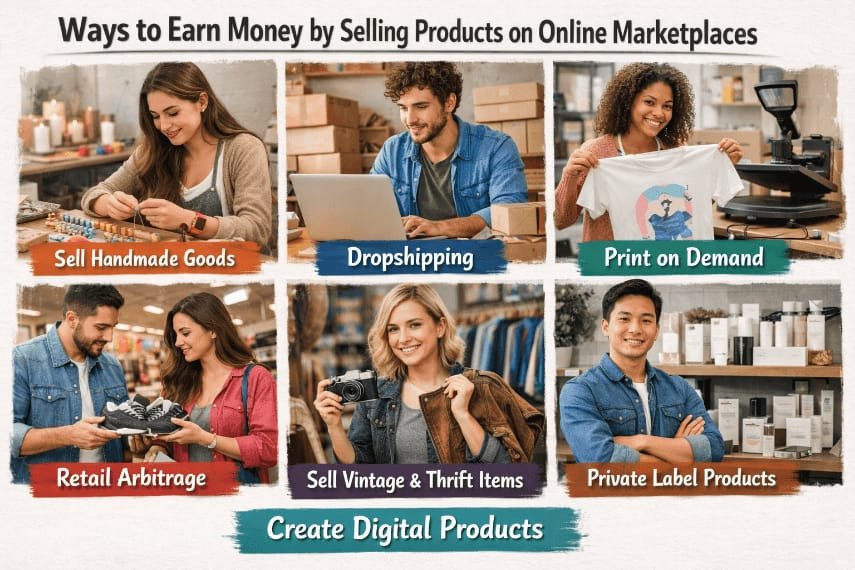
In today's digital age, selling products on online marketplaces has emerged as a lucrative opportunity for entrepreneurs and small business owners alike. These platforms provide a vast audience and a user-friendly environment for showcasing and selling goods, making it easier than ever to reach potential customers. Whether you’re looking to turn a hobby into a side business or scale an existing venture, understanding the dynamics of online marketplaces is essential. This article will explore effective strategies to help you earn money by selling products online, from selecting the right products to optimizing your storefront and marketing your offerings.
Understanding Online Marketplaces: An Overview
Online marketplaces are virtual shopping malls where buyers and sellers meet,
chat, and generally engage in the art of commerce, all while wearing fuzzy
slippers. They provide a platform for individuals and businesses to sell
products directly to consumers, offering a convenient way to reach a broad
audience without the overhead of a brick-and-mortar store.
Types of Online Marketplaces
There are a few main types of online marketplaces to consider:
1. **General Marketplaces**: Think Amazon or eBay, where you can find nearly
anything from quirky collectibles to the latest gadgets.
2. **Niche Marketplaces**: These focus on specific categories, like Etsy for
handmade goods or StockX for sneakers. Perfect if your products fit neatly in
one box (or basket).
3. **B2B Marketplaces**: Platforms like Alibaba cater to businesses looking to
buy or sell in bulk. This is where the large children play!
4. **Local Marketplaces**: Apps like Facebook Marketplace and Offer Up allow
you to sell to your neighbors, making it easy to declutter and make cash on the
side.
Benefits of Selling on Marketplaces
Selling on online marketplaces comes with its perks:
- **Instant Access to Customers**: You don’t have to spend months building your
customer base. There’s a integral spectators prepared to workshop!
- **Lower Startup Costs**: You can avoid hefty website hosting fees and focus
on selling. The marketplace takes care of the techy stuff.
- **Trust and Credibility**: Customers often feel more secure purchasing
through established platforms, which can lead to more sales.
- **Marketing Support**: Many marketplaces offer promotional tools to help you
get your products in front of more buyers, so you can focus on what you do
bestselling!
Popular Platforms to Consider
Here are a few popular platforms that could become your new best friends in the
e-commerce world:
- **Amazon**: The behemoth of online shopping. Good for just about any product,
but be prepared for fierce competition.
- **eBay**: Great for auctioning off items or selling used goods. Nostalgic,
like a garage sale that doesn’t require pants.
- **Etsy**: Perfect for handmade and vintage items. If you can knit a sweater
or craft an artisanal soap, this platform is calling your name.
- **Shopify**: More customizable than the others, but you’ll have to do a bit
more legwork to drive traffic to your store. If you’re the creative type, this
could be your playground.
Choosing the Right Product to Sell
Picking a product is like choosing a favorite child complicated and fraught
with emotion! Luckily, with the right approach, you can find the ideal item to
sell without having to decide between chocolates or gummies.
Identifying Market Trends
Stay ahead of the curve by keeping an eye on what’s trending. Use tools like
Google Trends, social media insights, and good old-fashioned spying on
competitors to see what hot products are flying off virtual shelves. If
everyone suddenly has a newfound obsession with fidget spinners (again), maybe
it’s time to hop on that bandwagon!
Assessing Competition
Check out the competition firsthand. Browse similar products and see how they
are performing. Use a SWOT analysis Strengths, Weaknesses, Opportunities,
Threats to gauge where you can swoop in and steal some customers (nicely, of
course). Remember, just because someone else is selling similar items doesn’t
mean you can’t shine brighter!
Finding Your Niche
Finding a niche means zeroing in on a specific target market that you can serve
best. Maybe you’re an expert in eco-friendly products or vintage vinyl records.
Nailing down your niche can help you build a dedicated customer base that loves
you (and your products) dearly.
Setting Up Your Online Storefront
Creating an online storefront is like setting up your own virtual boutique make
it look inviting, and people will come rushing in (virtually, of course).
Creating an Attractive Storefront
Your storefront should be visually appealing and reflect your brand’s
personality. Use high-quality images, catchy banners, and a cohesive color
palette to woo your future customers. Think of it as dressing up for a date impression
matters!
Building Trust with Buyers
Customers need to feel safe, secure, and ready to hand over their hard-earned
cash. Incorporate customer reviews, transparent return policies, and a
professional vibe to build trust. Before they know it, they’ll be clicking “Add
to Cart” and not even questioning it.
Optimizing Product Listings
Your product listings should be as enticing as a free pizza offer. Use clear
images, compelling descriptions, and relevant keywords so your listings pop up
in searches. Don’t forget to include essential details size, materials, and
care instructions so buyers aren’t left guessing.
Effective Pricing Strategies for Online Sales
Pricing your products can feel like balancing on a tightrope—too high, and you
scare off buyers; too low, and you might as well be giving away your goods.
Find the sweet spot!
Determining Cost and Profit Margins
Calculate your costs, including materials, shipping, and platform fees, then
determine how much profit you’d like to make. Knowing your margins will help
you avoid the dreaded “I sold it for less than I paid” moment. Ouch!
Competitive Pricing Techniques
Reflect your contestants’ prices when location your own. You can either match
their pricing or offer a better deal, but don’t undervalue your work. There’s a
fine line between competitive and cheap stay on the right side of that line!
Utilizing Discounts and Promotions
Everyone loves a good deal, so don’t be afraid to throw in sales or discounts,
especially when launching new products or during holiday seasons. Limited-time
offers can create urgency and boost sales faster than you can say “shopping
spree.”
Marketing Your Products to Attract Buyers
Leveraging Social Media
Social media is your new best friend. Platforms like Instagram, Facebook, and
TikTok aren't just for sharing cute cat videos (but yes, those help too!). Use
eye-catching photos, engaging stories, and entertaining reels to showcase your
products. Run targeted ads to reach specific demographics, or partner with
niche communities that align with your brand. Remember, the more you interact
with followers, the more likely they are to turn into buyers.
Utilizing Search Engine Optimization (SEO)
SEO isn’t just a bunch of alphabet soup it’s the secret sauce for getting your
products found online. Start by researching keywords that potential buyers
might use and sprinkle them throughout your product listings. Optimize your
titles, descriptions, and even image alt text. The goal? Make Google your best
buddy so that when someone types in “the best handmade coffee mug,” your
product pops up like a surprise party!
Engaging with Influencers
Influencers are the modern-day soapbox speakers, and teaming up with them can
give your products the spotlight they deserve. Identify influencers who vibe
with your brand and align with your niche. A simple shout-out or review can
introduce your products to a broader audience. Plus, let’s be honest, who
wouldn’t want to be part of an influencer’s curated collection? It’s like the
cool kids' table, but for products!
Managing Inventory and Fulfillment
Inventory Tracking Methods
Keeping tabs on your inventory is crucial unless you like playing hide-and-seek
with your products. Use software solutions like inventory management systems or
even simple spreadsheets, depending on the scale of your business. Set up
alerts for when stock runs low, and regularly review sales trends. Spoiler
alert: Over-committing to a product that nobody wants is not a good business
strategy.
Choosing Fulfillment Options
Fulfillment is like the post office’s love language, and you need to choose the
right one for your products. You can handle shipping yourself, which gives you
control but can be a time sink. Alternatively, consider third-party logistics
(3PL) services that take the hassle off your shoulders (and your sanity). Make
sure to weigh the costs and benefits so you can keep your products on the move
without losing your mind.
Handling Returns and Exchanges
Returns are a part of online selling kind of like how Mondays are inevitable.
Craft a clear return policy that informs customers of their options without
sounding like a legal robot. Make the process as seamless as possible to keep
customers happy; after all, a smooth return can turn a dissatisfied shopper
into a loyal one. Just think of it as second chances not just for your
products, but for your relationships with customers!
Customer Service Best Practices for Online Sellers
Building Customer Relationships
Customer relationships are the bread and butter of online selling. Engage with
your customers beyond the purchase send thank-you emails, follow up post-sale,
and personalize interactions. Show them you care! A happy customer is not only
likely to return but also to rave about you to their friends. It’s all about
creating a community, and who doesn’t want a squad of loyal fans?
Responding to Inquiries Promptly
Haste is of the spirit, particularly in today’s fast-paced world. Goal to answer
to client investigations as rapidly as possible. Whether it’s an email, a
direct message, or a comment on your product page, timely responses can enhance
customer satisfaction. Think of it as a race don’t let your customers wait too
long or they’ll drift away to your competitors like bees to a blooming flower.
Handling Negative Feedback
Negative feedback can feel like a punch to the gut, but it’s also a golden opportunity
to show your commitment to customer satisfaction. Address criticisms gracefully
and professionally, and offer solutions whenever possible. Acknowledge their
concerns and turn the conversation around. Handling negativity with a positive
spin can actually strengthen your reputation, making you the hero your brand
needs!
Analyzing Sales and Scaling Your Business
Using Analytics Tools
Analytics tools are your business's crystal ball. Dive into your sales data to
understand buying patterns, customer demographics, and seasonal trends. Utilize
platforms like Google Analytics, or dashboards provided by your marketplace, to
identify what's working and what’s not. If numbers aren’t your thing, just think
of it as a game of detective solving the mystery of what makes your customers
tick.
Identifying Opportunities for Growth
Keep your eyes peeled for growth opportunities! Analyze your best-sellers and
consider how to duplicate that success. Maybe there’s a new product category
just waiting for your magical touch. Survey your customers to find out what
they want, and adjust your strategies accordingly. With a little detective work
and a lot of ambition, you can spot openings to expand your reach.
Expanding Product Lines and Markets
Once you’ve mastered selling in your niche, it might be time to spread your
wings. Look into expanding your product lines to include related items that
your audience would love. This could mean launching seasonal collections or
unique variations of your best-sellers. Additionally, think about tapping into
new markets whether that’s different geographic regions or a new demographic.
The sky is the limit, and your business’s potential is just waiting for you to
unleash it! In conclusion, selling products on online marketplaces presents a
fantastic opportunity to generate income and grow your business. By
understanding the intricacies of these platforms, choosing the right products,
and implementing effective marketing and customer service strategies, you can
create a successful online selling experience. With dedication and continuous
learning, you can not only meet your sales goals but also build a thriving
online presence that stands out in the competitive marketplace.
Frequently Asked Questions
What are the best online marketplaces for beginners?
The best online marketplaces for beginners often include platforms like Etsy,
eBay, Amazon, and Shopify, as they provide user-friendly interfaces and
established customer bases.
How do I determine the right price for my products?
To determine the right price, consider factors such as production costs,
competitor pricing, and perceived value. It's important to strike a balance
between affordability for customers and profitability for your business.
What should I do if I receive negative feedback from customers?
Respond promptly and professionally to negative feedback. Acknowledge the
customer’s concerns, offer solutions, and strive to resolve the issue. This
approach can help maintain your reputation and show potential customers your
commitment to service.
How can I increase visibility for my products on online marketplaces?
You can increase visibility by optimizing your product listings with relevant
keywords, utilizing social media marketing, running targeted ads, and engaging
with customers through promotions or exceptional customer service.